

A commentary on Malaysia’s Child Protection Code under the Online Safety Act 2025
Malaysia’s Child Protection Code, effective 1 June 2026, is a serious and overdue act of collective care. By requiring age verification for social media access, mandating safety features, restricting addictive platform designs, and placing accountability on platforms rather than penalising parents, the Code sends a clear message. Children are not small adults. Social media platforms are not harmless utilities. And profit cannot come before our children’s wellbeing.
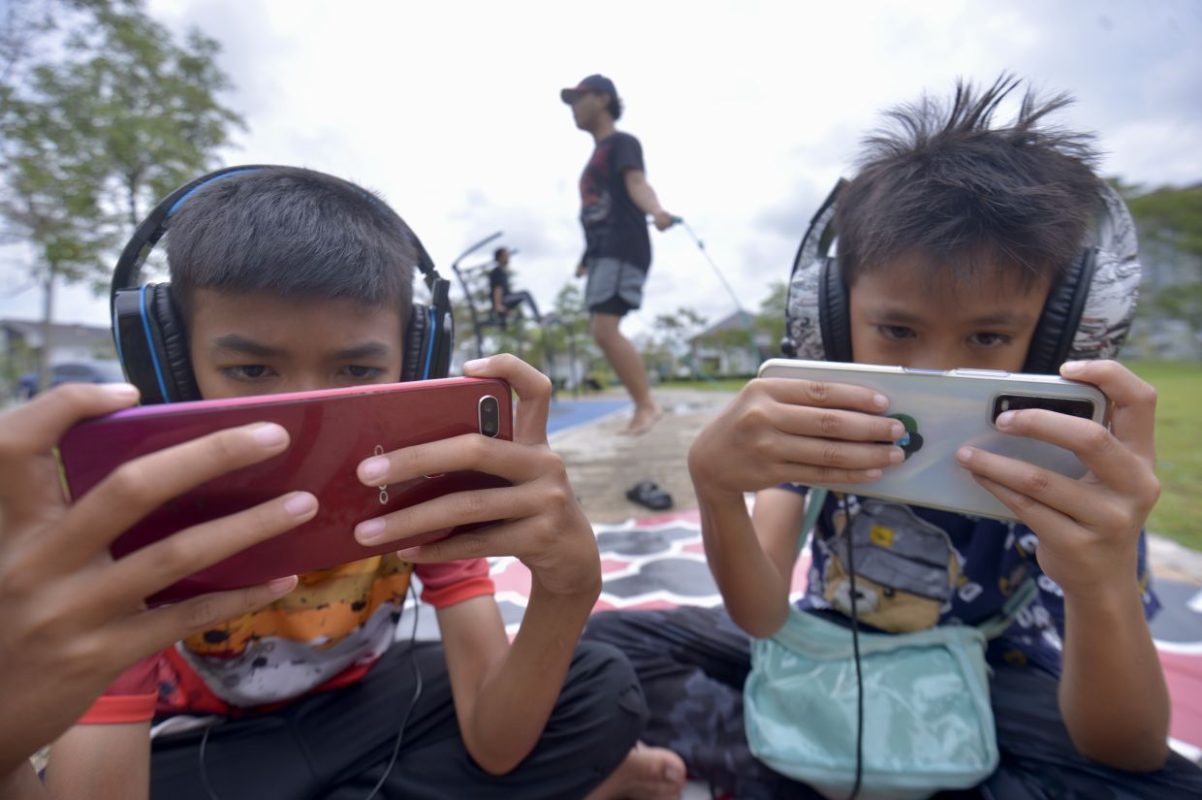
The provision that matters most to me is this: platforms can no longer deliberately design features that keep children scrolling endlessly and compulsively. Every Malaysian parent knows what this looks like. You call your child for dinner. They do not hear you. You call again. Nothing. They are not being defiant. They are caught in a system that was engineered to hold them there.
That is not an accident of technology. It is a business model. And it has been targeting our children.
A child’s still-developing brain is simply no match for a billion-dollar platform built to exploit the very vulnerabilities of growing up. Naming this in law, and holding platforms accountable for it, is long overdue.
Shared Responsibility: The Part No Law Can Do For Us
The Code rightly places the heaviest burden on platforms. Parents will not be penalised. But the Code also reminds us, between the lines — that government can only do so much.
No regulation can sit beside your child at night. No policy can replace the parent who puts down their own phone and asks, genuinely, how are you doing? Not “what did you watch?” or “how was school?” But the deeper question. The one that opens a real conversation.
I see this in my Steiner-Waldorf classroom. Children who feel genuinely seen and heard by the adults in their lives are far more grounded when they eventually navigate the digital world. They are less easily manipulated. Less hungry for the hollow validation of likes and views. They already know they matter, because someone told them so, repeatedly, through time and attention.
No app can replicate that. And no code can legislate it into existence.
What protects our children most is not a setting or a filter. It is a family culture where they feel safe enough to talk to us when something online disturbs or confuses them. That culture is built quietly, daily, in the ordinary moments we choose to be present rather than distracted.
The Code gives us the floor. The rest is on us.
What Are We Actually Preparing Them For?
This is the deeper question the Code quietly raises.
We can restrict harmful content. We can verify ages. We can limit screen time and block inappropriate accounts. But if we do all of that while still raising children in a system that measures their worth by exam results, that rushes them through childhood, that has no room for stillness or play or genuine curiosity, we have protected them from one danger while leaving them exposed to another.
Our children do not just need a safer internet. They need adults who believe that growing up is a process worth protecting. That childhood is not a waiting room for adulthood. That the inner life of a ten-year-old, their imagination, their feelings, their sense of wonder, is worth more than any metric we can put on a report card or a screen.
The Child Protection Code is a beginning. A real and welcome one.
But what we build on it, in our homes, our classrooms, and our national conversation about what education is actually for, will say everything about the kind of Malaysia we are choosing to become.
